
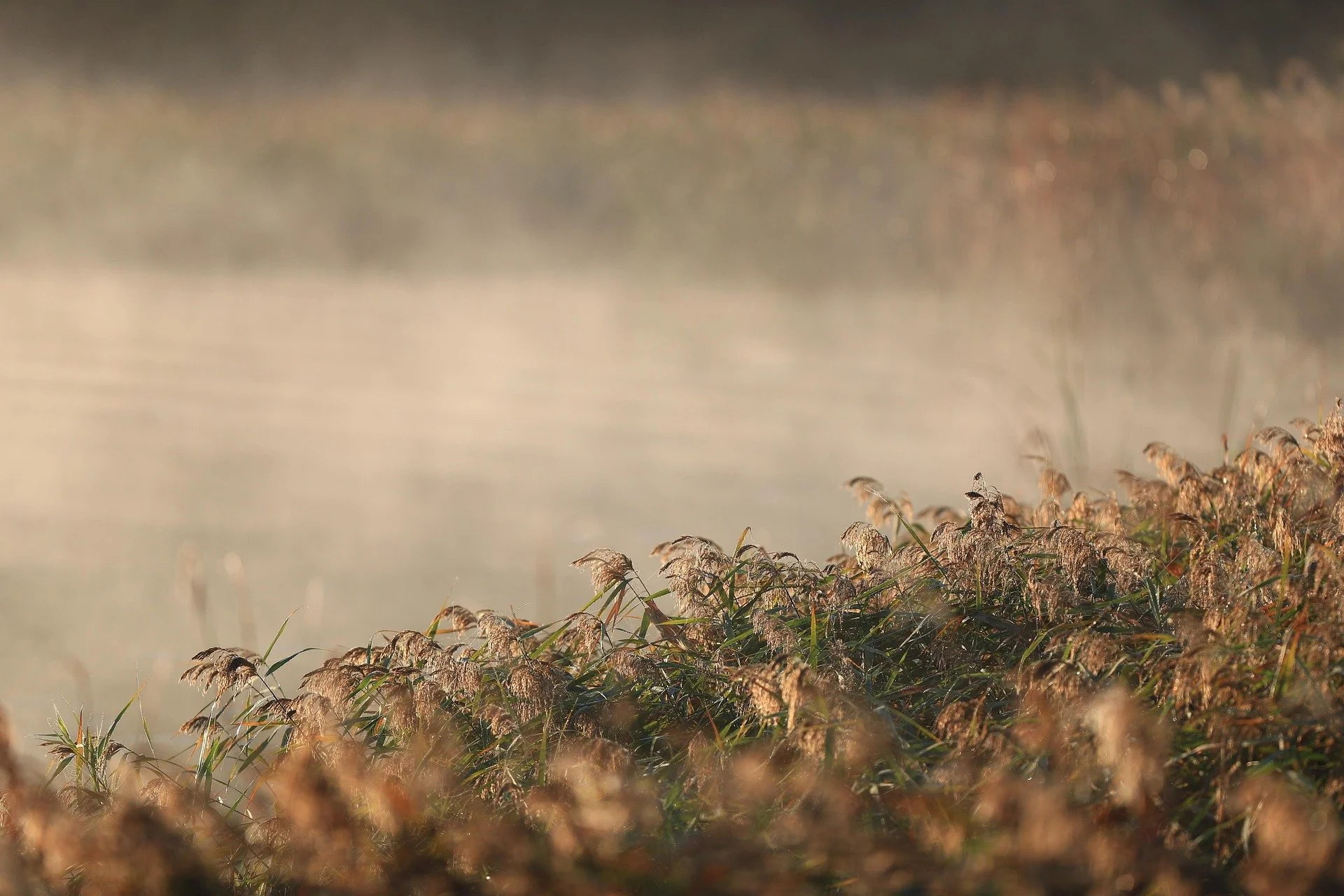
Photo credit: Vitaly Kobzun
Wind blew puffs of rain over the pallbearers who carried your father’s casket to the grave, each soldier in Class A uniform as if for inspection. They blew bugles into the air, then buried him after taking off the American flag draped over his wooden box and folding it like they’d done many times before. Twenty years later, nephews carried your mother’s casket past the bingo hall in another state where she never won, then buried her near a cornfield. You threw flowers into the hole as they lowered the casket, then listened to the evangelist “preach her home.” Sometime in the future you wait until five in the morning to call your Buddhist friend about your own need to die. “I bought the rope for hanging myself on the clothesline once,” she laughed, “but then changed my mind.” It was the laugh that brought you back to reality. What you really wanted was to disappear from pain and the godawful crack in your soul. You’re supposed to cut the “I’s” here and not give away emotions or use the word soul. But you, reader, might have already figured it out from the mention of that first coffin. War. Love gone awry. Surely you can hear the mockingbirds in the distance tell us nothing stays forever. Note how life goes from one postcard to another, a bingo game here, a grenade there. No silk gloves for those pallbearers. This is serious work. Those ticket stubs you saved all these years are useless now. Buttercups never told you for real that he loved or loved you not. Sharpen your pencil and write this down, then burn it at the campfire you once shared with a lover, now gone too. Consider never getting on a Ferris Wheel because that circle lands in the same place. And that’s not where you want to go. Trust me. You know what it feels like. The whish of nearby traffic blowing through tall oaks of an old cemetery. A farmer observing from a tractor in the distance. The caw of crows. The sun beating down on a muggy afternoon. Our fragile futures hovering in the air.
Artist Statement
“The soul thinks in images,” Aristotle said. Which is why, I have not been able to stop thinking/imagining the scenes from the war in Ukraine. At a recent writing retreat, I began writing short poetic prose pieces or poems using those images. This piece is just one of that collection. The subject of war, alienation, change, and grief have been subjects I’ve written about for many years, as I try to grasp the enormity of it all.
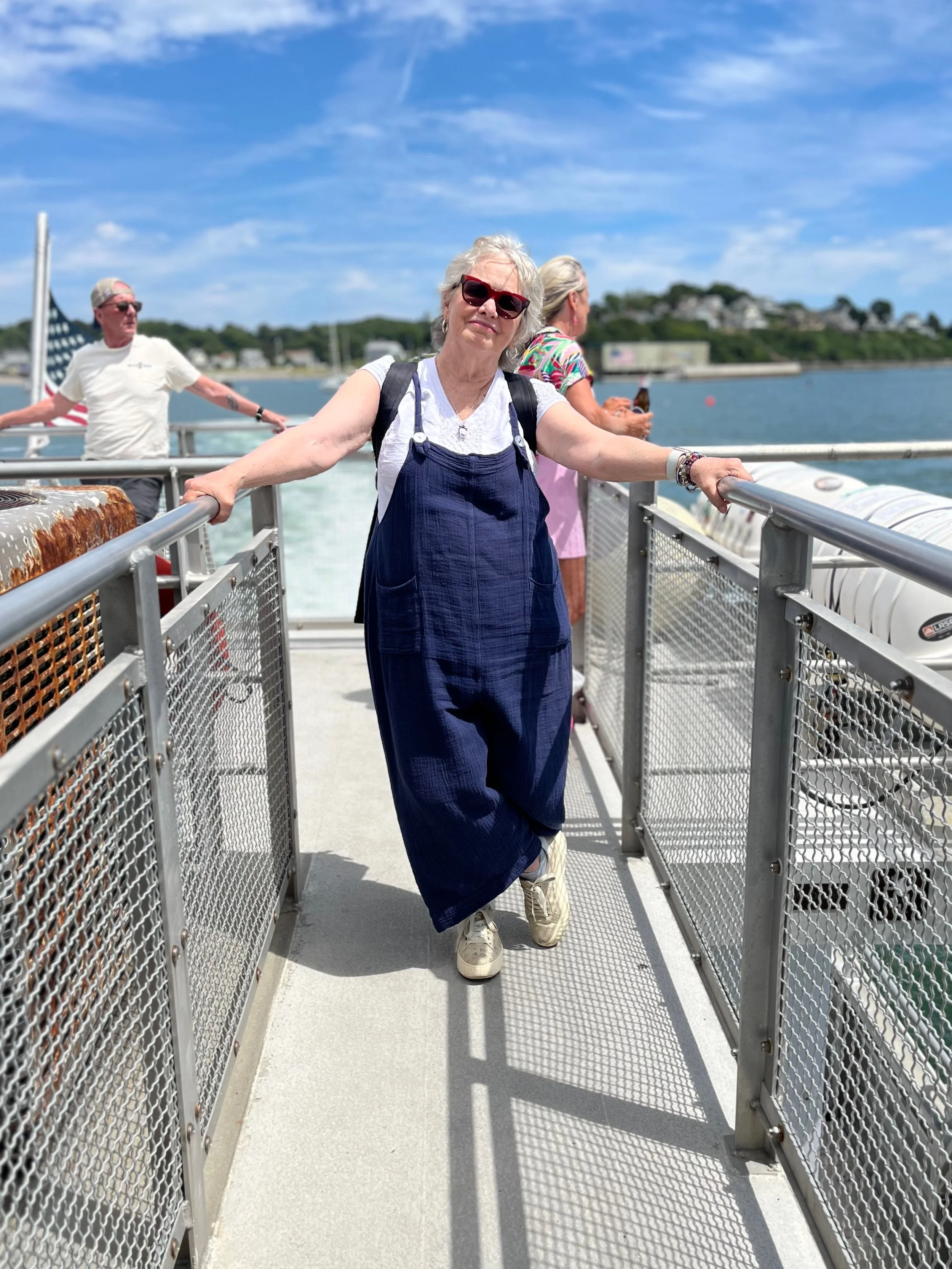
Gail Hosking’s writing has been anthologized and published in many literary journals. She is the author of the memoir Snake’s Daughter: The Roads in and out of War, as well as two books of poems, Adieu and Retrieval. Her second memoir, No Glory, is forthcoming in December of 2026. She is the winner of the 2026 Permafrost Nonfiction contest (Dispatches From a Distance), a finalist for the Center for Book Arts Chapbook contest, a finalist for Iowa Review’s creative non-fiction contest, a semi-finalist for “Discover the Nation” poetry prize and a recent finalist for River Teeth CNF book contest. Two of her essays were considered “most notable” in Best American Essays of 2015 and 2016. She holds an MFA from Bennington College and taught at RIT for fifteen years. She loves to quilt, hike, and “make things.”