
“Rugs-N-Junk” by E.C. Salibian
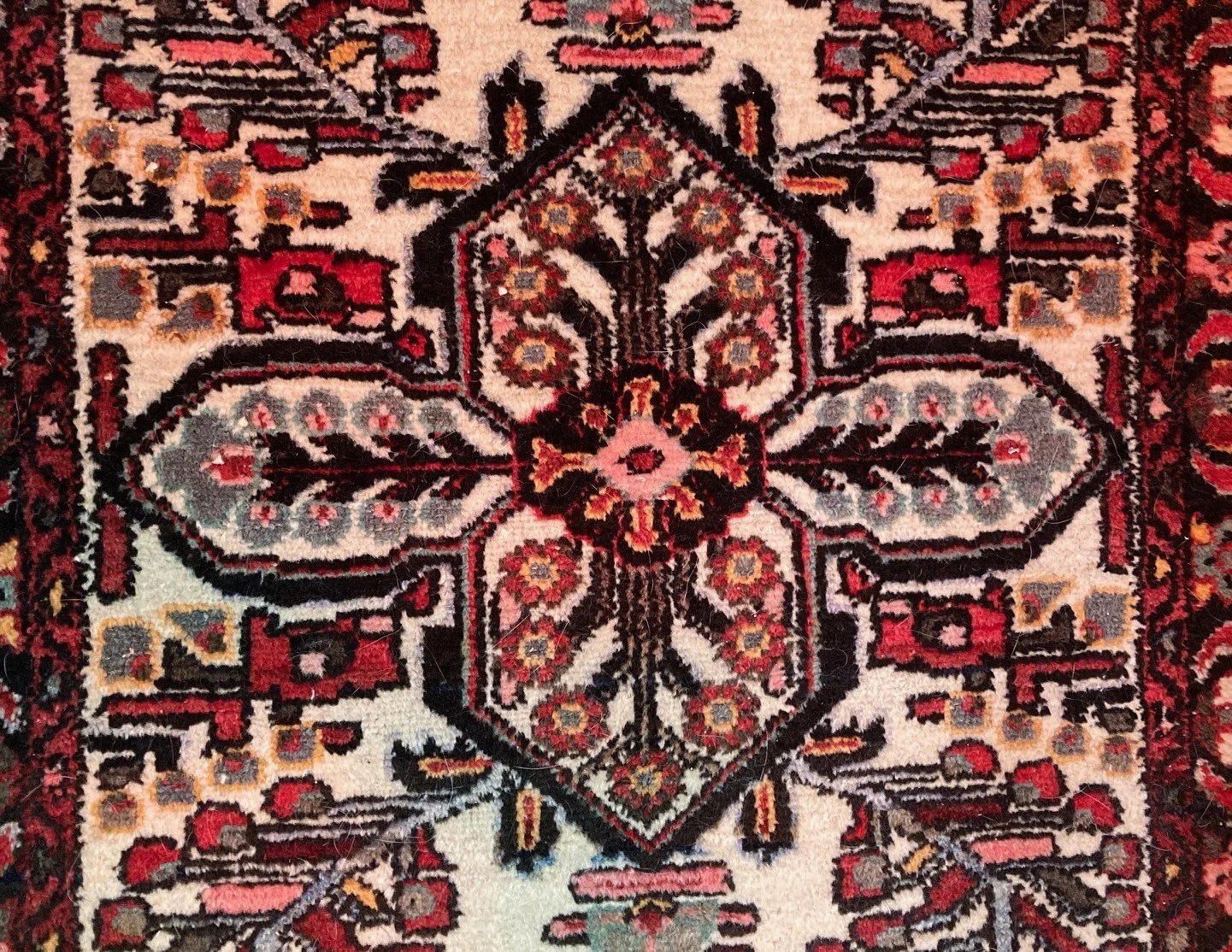
“You go on ahead home, I’ll meet you back there,” my father said.
We were standing on South Avenue in Rochester, New York, in front of a ramshackle storefront in my unconvincingly up-and-coming South Wedge neighborhood. In the store window was a collection of knickknacks like those you might see left over on the third day of a garage sale—mismatched glassware, chipped pottery, dusty baskets. Peering further inside, you could see piles of worn carpets laid flat atop one another. An elderly man sat among them, wearing baggy black trousers, a long-sleeved shirt, and a short vest.
Outside the storefront, a crude hand-lettered sign read, “Cyrus Oriental Rugs.” My friend Will called the store “Rugs-N-Junk.” I never saw customers inside. Once, feeling sorry for the lonely-looking man, I had stopped in to say hello. The place smelled of attic and old wool.
“Do you need a rug?” the man asked me.
The last thing I needed was another rug. I told the man no, I simply lived in the neighborhood. He didn’t try to sell me anything, but from then on always smiled when I walked past, and I waved.
My father was visiting me from California the day we took that walk. In his long career of finding ways to support his family, he too for a time had sold rugs, or tried to. So maybe it was empathy for the doomed nature of the store, or for the proprietor’s displaced look, that made my father stop in. I left him to it and went home.
When he returned an hour later, my father told me: “He is a Kurd from Turkey. He made me some tea.”
He told me things about the man’s life, but I have forgotten them. Perhaps they talked about how they’d arrived to this time and place, about family, village circle dances, the cold mountain air of Anatolia, the fresh smell of flatbread on wood-fired clay.
I don’t know what they talked about but I do remember that I was surprised by my father’s gentle attitude. Kurds from Turkey had been instrumental in the 1915 genocide that had driven my father and his Armenian family from their home in Asia Minor. As Armenians struggled on their death march to the Arabian desert, Kurds had charged on horseback to murder and rob them, though I have learned that some Kurds hid and saved Armenians. One day the Kurdish mayor of a Turkish city would shake my hand in welcome, stand in front of a group of Armenians and apologize for his people’s role in the massacres—all while the official Turkish position remained genocide denial.
I don’t know if the Kurd in the store, or his family, played any role in either killing or protecting Armenians. What stays with me is the image of my father and this man, far from home and on the opposite sides of history, sharing a cup of tea amid faded carpets and tarnished brass lamps.
Artist Statement
I’d written a 12,000-word essay about my father and had a chance to publish it if I cut down to 5,000 words. As I hacked and pared, fresh memories of him arose. This piece stems from one of them. On the day of the depicted events, I was momentarily touched and then moved on, maybe to meet a work deadline, plan dinner, call a friend. This time, I sat with the experience, felt it move in my belly like a breathing animal. And learned that near forty years after his death, my father can still show me how to meet life with a full heart.
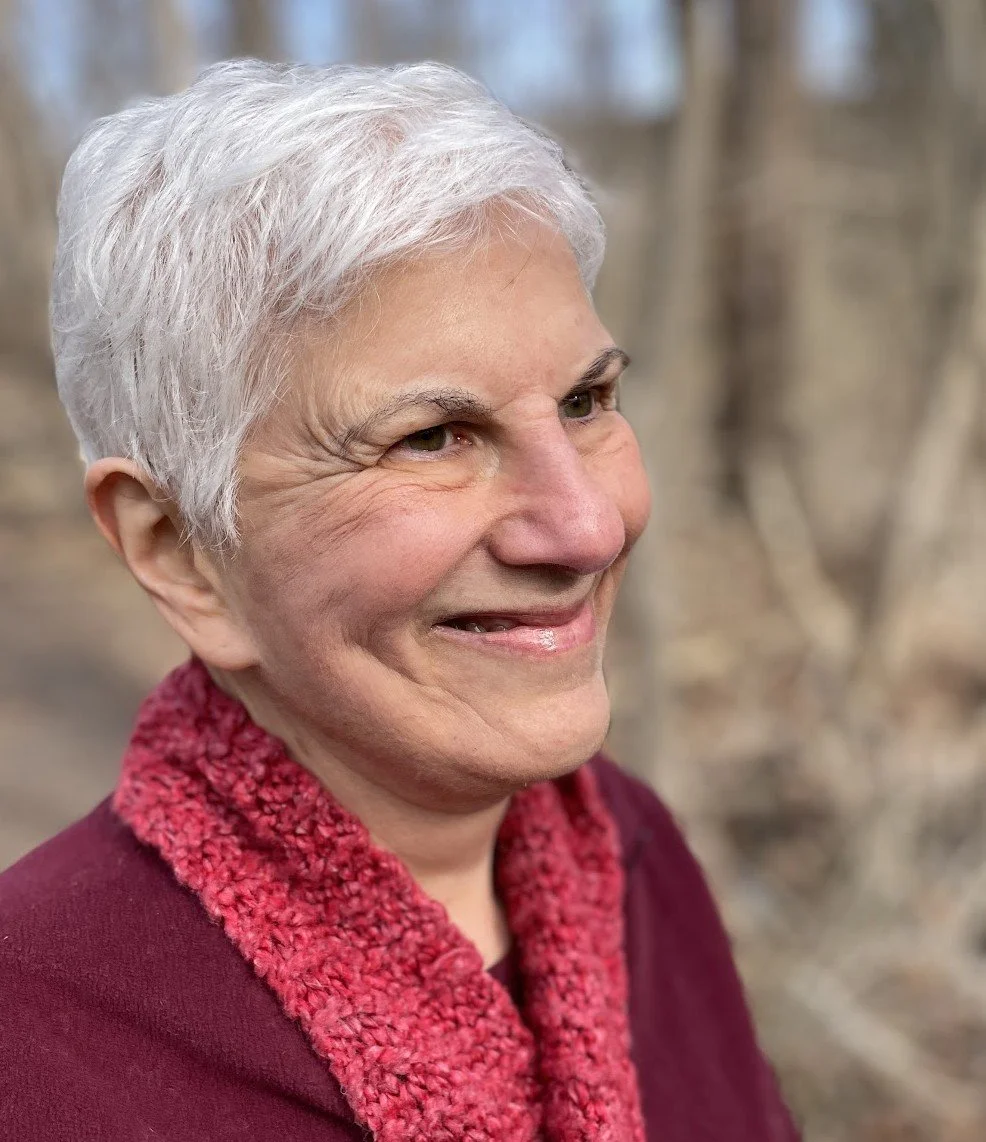
E.C. Salibian is a non-fiction writer whose work has appeared in The Sun, Fourth Genre, Cutleaf Journal, Los Angeles Review of Books, and other publications. She is at work on a memoir in essays about her Armenian family.