
“Entranced by Tigers, Bored by Babies”: Andria Williams reviews RECOVERY COMMANDS by Abby Murray
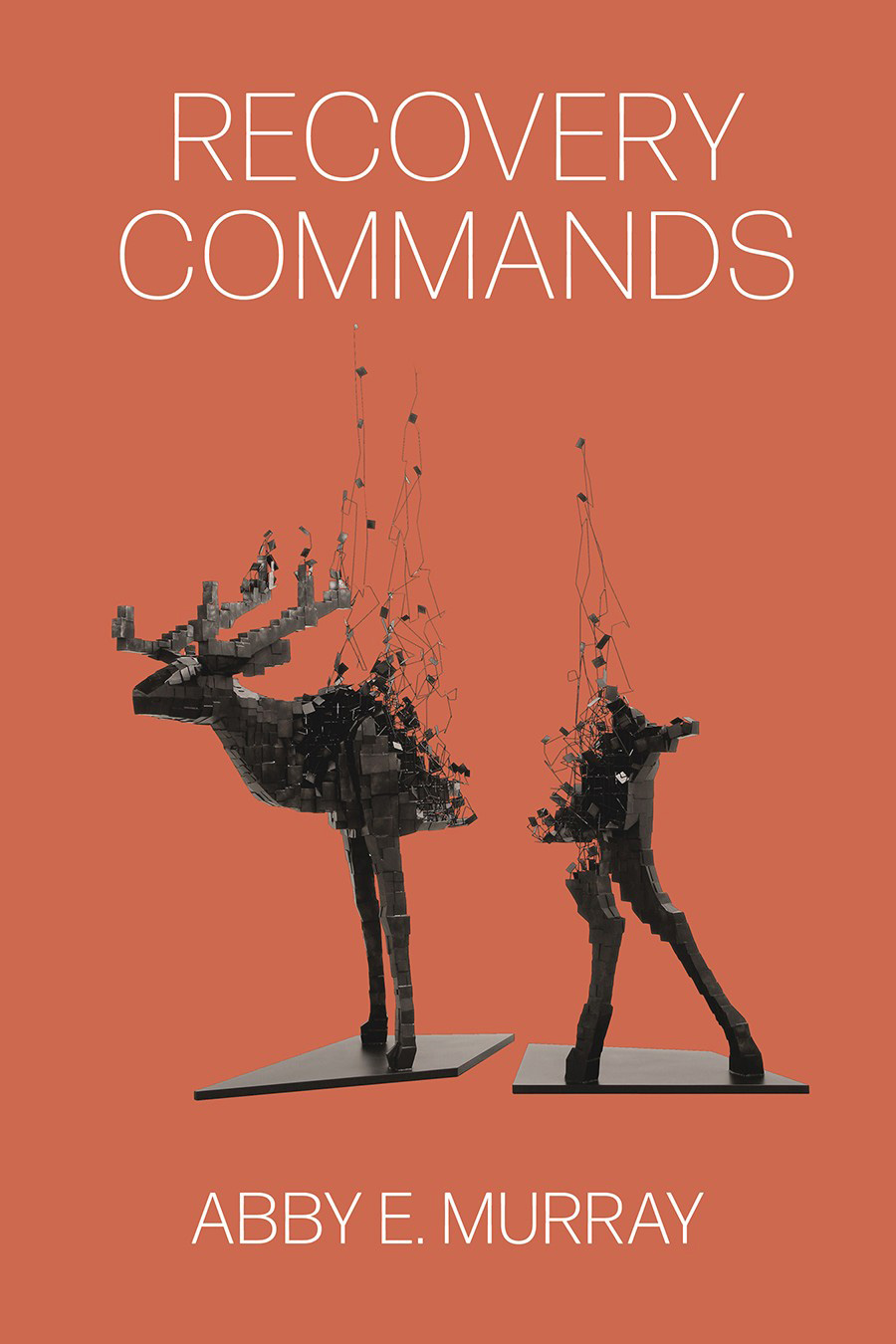
Recovery Commands
Abby Murray
Ex Ophidia Press 2025
91 pages
In Recovery Commands, poet Abby Murray (they/them) walks a tightrope of defiance and terror, disgust and reverence. Like all good poets, Murray is asking, What is this world? What do we fear, what do we love?
Murray’s fears: war, violence, dictatorship, loss; erasure by a military culture plumbed with a keen eye and occasional wry revulsion.
Murray’s loves: their daughter, their husband (most of the time); animals; the natural world.
Those latter two come into play in the striking poem, “When I Am Asked to Be More Like the Good Women of Sparta in the Movie 300.” Murray compares military experience as a new “Tiger Spouse” (part of Tiger Battalion) to the sight of caged tigers at the nearby zoo. There is a sense of entrapment, of an enforced definition and nomenclature:
The tigers in the zoo closest to us
have paced so long in their habitat
that they communicate in sunken spirals.
nearly extinct, glaring past their fence
with eyes the color of honey and fossilized sap.
Frustratedly abandoning the lyrical, Murray continues:
Now I’m pissed. Now I’m hungry.
On behalf of Spartan women
I want to ask the Colonel:
What is there for me to praise here?
Is it the good of the state
Balanced on my head like a treat…
The poem concludes:
See how I wear a grave into the earth
just by walking on it?
This tension with military culture has long been a theme of Murray’s, particularly the boxes (cages) that spouses are continually pushed into: compelled to be silent, almost brainlessly supportive of any war or mission, acquiescent to the constant, looming possibility of their husbands’ deaths. Murray’s puzzlement is evident in their list of instructions for military spouses, such as
Trim your home with decorative weapons
such as rifles, knives, pistols,
tomahawks, and sabers,
advice which would seem absurd, even alarming, to all but the most deranged civilian.
Murray treats spouse culture with devilish humor, as in “Wives’ Coffee,” where, when a conversation-prompt asks “What discussion topic bores you to sleep every time?,” Murray blurts, startling all the women present: “BABIES.” (I had the delight of hearing the poet read this in person at an offsite AWP event, and the audience burst out laughing.) Murray’s observations of the other spouses are wonderfully wry, but with a palpable background sympathy; one high-ranking officer’s wife is
Electric with devotion, she is a stingray
skimming the bright sand of her life,
lonely and carefully governed all at once
Behind Murray’s ferocious perplexity at these women is the poet’s concern and grief over the violence in the world, both inside and outside the cabals of military life. How complicit is a military spouse? Hell, they are not the ones doing the droning and bombing! But they (and I as a former military spouse of 18 years) have played a support role for this culture, have been encouraged not only to nurture this culture but to celebrate it. To not actively rejoice in it – the sacrifice, the cloisteredness, the chosenness, the specialness – is to appear suspect, as Murray is well aware. This explains the constant, simmering tension between the poet and their husband, not just because the poet sees what war has done to him, but to other, helpless people around the world. It is a dilemma for Murray to explain to their daughter, in that perilous but ethically necessary act of trying to avoid frightening a child without softening the horrific.
Where is cute when you explain war
to a child in the same hour you tell her
It is never okay to harm another person’s body,
and where is cute when death is everywhere
In the newspaper, on our eyelashes,
between our words, when it is blood and hair
Blindness to suffering is probably the thing that frustrates and enrages Murray most in this collection. (Murray wrote their entire Ph.D thesis in German, to be close to the language of a past oppressor in the war crimes they were studying). The SS soldiers had military spouses too. And yes, there is rage in these poems, but also tenderness, because Murray does love their husband, does know he is a good person; forgives, if grudgingly, ignorance, but not willful ignorance. Any rage in these poems is a focused, intelligent one wrought from true concern and, perhaps, loving the world and other people too much, despite it all, despite everything.
Abby Murray (they/them) is the editor of Collateral, a literary journal concerned with the impact of violent conflict and military service beyond the combat zone. As a pacifist married to an active duty army officer, they've spent their adult life writing and researching communication (or lack thereof) between civilian and military communities. Their first book, Hail and Farewell, won the Perugia Press poetry prize and was a finalist for the Washington State Book Award. Abby served as the 2019-2021 poet laureate for the city of Tacoma, Washington, and currently teaches rhetoric in military strategy to Army War College fellows at the University of Washington.

Andria Williams is the author of the novels 'The Longest Night' (Random House 2016) and 'The Waiting World' (MilSpeak Books 2023). She founded the Military Spouse Book Review and served as editor-in-chief for The Wrath-Bearing Tree literary journal. She lives in Colorado.